A mobile bar is how drinks get served — a portable bar and staff that come to your venue. An open bar is who pays — the couple covers every drink instead of guests. They are not alternatives to each other. Most Southern California couples book both at once: an open bar served from a mobile bar, which typically costs 30-50% less than the venue's in-house package.
Two couples ask us the same question every week, worded the same way: should we do a mobile bar or an open bar? It's a fair question and it has a slightly annoying answer, which is that those two things aren't in competition. You can have both. Most SoCal couples do.
Here's the clean version. Mobile bar describes the physical setup and the service — a portable bar, bartenders, ice, glassware, and tools that arrive at your venue and leave when it's over. Open bar describes the payment structure — the couple picks up the tab, guests never take out a wallet. One is a delivery method, the other is a billing model. The real decision in front of you is actually two decisions stacked on top of each other, and this guide separates them.
Mobile bar: what it is and what it isn't
A mobile bar company brings the bar to you. That matters most at venues that don't have a permanent bar: private estates, ranches, barns, backyards, warehouses, beaches, and the huge number of LA and Orange County spaces that are beautiful and completely unequipped.
What a good mobile bar includes: the bar structure itself, RBS-certified bartenders, ice, mixers, juices, garnishes, glassware, shakers and jiggers, coolers, setup, breakdown, and a certificate of insurance naming your venue. What it does not include in California, if the company is unlicensed, is the alcohol. That's the dry-hire model — you buy the bottles, we do everything else. It's not a limitation someone invented to be difficult; it's ABC law, and we walk through it in dry hire explained.
A mobile bar is not a payment model. You can run an open bar, a cash bar, or a limited bar from the exact same setup. The bar doesn't care who's paying.
Open bar: what it means and what it costs
Open bar means the host — usually the couple, sometimes a parent — covers everything guests drink, for a defined window. The critical word is defined. "Open bar" almost never means unlimited all night. In practice it means four or five hours, a set menu, and a close time.
The three ways an open bar gets billed:
- Per-guest package — the venue or licensed caterer charges $28–$60 per person for a fixed window and includes alcohol. Predictable, high, and heavily marked up.
- Consumption bar — you're billed for what actually gets poured, $9–$16 per drink, plus staffing. Fair on paper, terrifying on the invoice. A 120-guest wedding can swing $1,400 between a light crowd and a thirsty one.
- Dry-hire flat rate — you buy the alcohol at retail and pay a flat service fee. La Barra Co. runs $695, $1,195, or $2,395+ depending on size. Lowest total cost, requires one shopping trip.
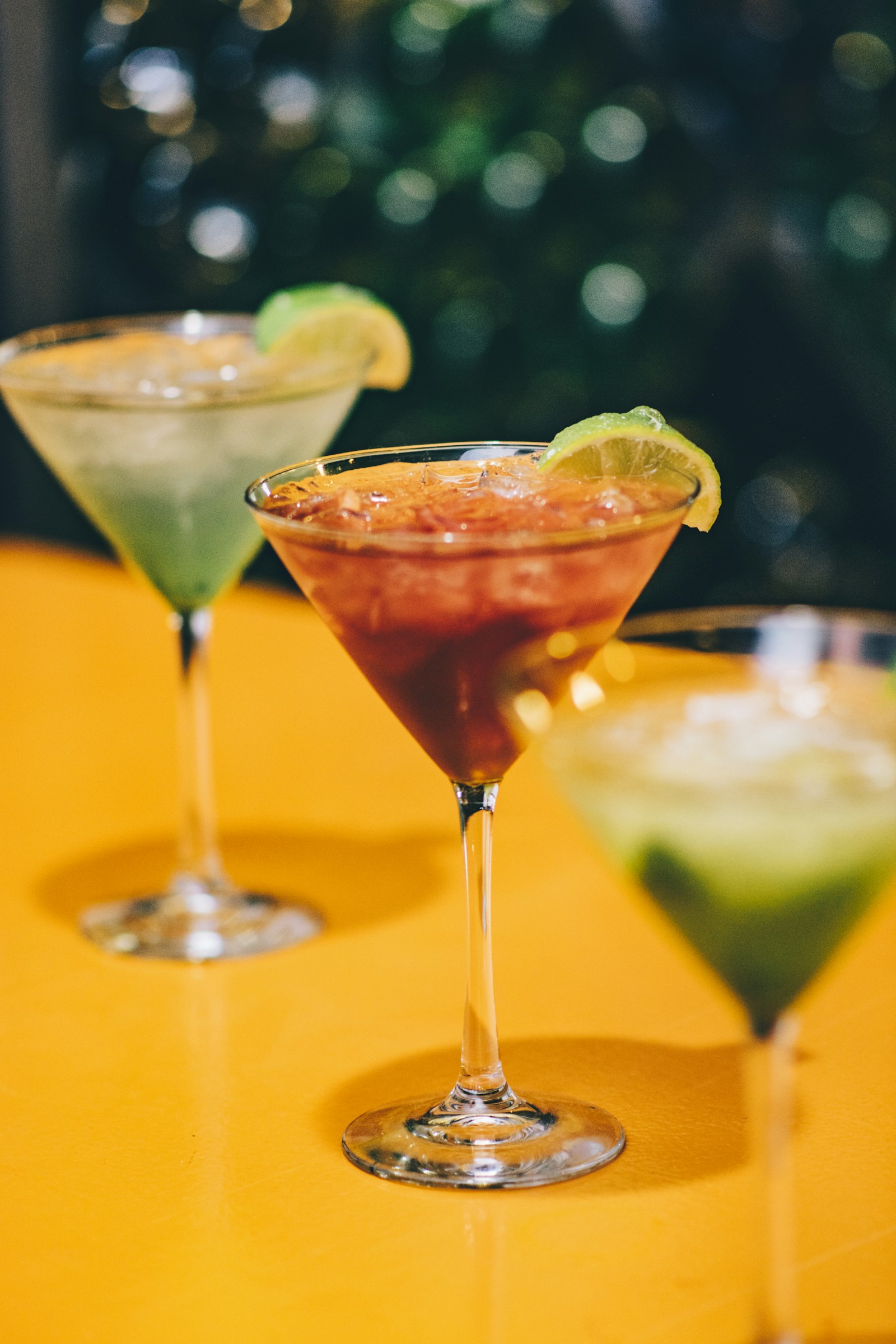
The four bar structures, compared
Here's every option side by side, with the trade-offs nobody puts in the brochure.
| Factor | Mobile bar (dry hire) | Venue in-house open bar | Cash bar | Limited / consumption bar |
|---|---|---|---|---|
| Cost control | Excellent — flat fee, you control product spend | Poor — per-guest + 20-22% service charge | Best for host, worst for guests | Unpredictable — final bill unknown until after |
| Typical total, 120 guests | $2,400–$3,400 all-in | $5,500–$7,500 | $800–$1,500 staffing only | $2,800–$5,000, high variance |
| Guest experience | Excellent — feels generous and personal | Excellent | Poor — guests resent paying at a wedding | Good if the free tier is generous |
| Drink selection | Total control — your brands, your cocktails | Venue's tier list only | Whatever's stocked | Usually restricted well brands |
| Corkage exposure | Possible — $10–$25/bottle at some venues | None | None | None |
| Staffing | Included, 1 per 60–75 guests | Included, ratio set by venue | You hire or venue provides | Included |
| Flexibility | High — any location, any layout, second bar easy | Low — fixed location and hours | Moderate | Moderate |
| Venue restrictions | The main risk — check exclusivity first | None | None | None |
| Leftover alcohol | Yours to keep or return | Venue keeps it | Venue keeps it | Venue keeps it |
Cash bars: a short, honest section
A cash bar means guests buy their own drinks. It's the cheapest option for you and it's also the one that generates the most quiet disappointment. Guests who flew in, bought a gift, and paid for a hotel do not want to hunt for a card reader at your reception.
There's also a legal wrinkle specific to California: selling alcohol requires a license or an ABC daily permit. An unlicensed mobile bar cannot legally sell drinks at your wedding, and neither can you. A tip jar is fine. Charging $12 for a margarita is not, unless the appropriate permit is in place. Some couples try to sidestep this with "suggested donations" — that's still a sale in ABC's eyes.
If budget is genuinely tight, a limited bar beats a cash bar every time. Beer, wine, and one signature cocktail on the house feels like hospitality. A card reader feels like a fundraiser.
The limited bar: the smartest budget move
A limited bar — sometimes called a beer-and-wine bar or a signature-cocktail bar — is an open bar with a shortened menu. Guests don't pay; the list is just curated.
It works better than people expect, for three reasons. Service is faster, because bartenders aren't fielding six different requests. Product cost drops sharply, because you're buying two spirits instead of six. And it reads as intentional design rather than cost-cutting, especially when the drinks are named and the menu is printed. Our signature cocktail guide covers pairs that batch well and photograph better than a bottle wall — and if you want something with more personality, the Mexican wedding cocktail menu is a favorite across our SoCal weddings.
A typical limited bar for 120 guests: one tequila cocktail, one whiskey or vodka cocktail, four wines, three beers, and two good non-alcoholic options. Total product cost around $900–$1,200 instead of $1,600.
Get an instant quote
Tell us guest count and date — the founder texts back a real number, usually within the hour.
The #1 gotcha: corkage and exclusive caterers
This is the thing that derails more SoCal bar plans than anything else, and it hides in paragraph 14 of the venue contract. Before you book any outside bar service, find the answers to these three questions in writing.
- Does the venue have an exclusive caterer or exclusive bar vendor? Many hotels, country clubs, and museums in LA and Orange County do. If bar service is exclusive, an outside mobile bar is off the table entirely, regardless of price. This is the single most important question and it should be asked before you sign the venue.
- Is there a corkage or handling fee? Some venues allow outside alcohol but charge $10–$25 per bottle opened. On 40 bottles that's $400–$1,000, which can erase the savings from dry hire. Sometimes it's negotiable at contract stage; it is almost never negotiable afterward.
- What's on the approved-vendor list? Some venues aren't exclusive but require vendors to be pre-approved, insured at $1M–$2M, and submitted 30 days out. La Barra Co. carries $2M and issues certificates free, and we handle vendor applications directly with the venue.
One more, easy to miss: a few venues allow outside beer and wine but keep spirits exclusive. That's a workable middle ground — you run wine and beer through the mobile bar and add a single house cocktail through the venue.

What most SoCal couples actually book
The hybrid: an open bar served from a mobile bar. Guests never pay, the drinks are custom, and the couple pays a flat service fee plus retail-price alcohol. It is by a wide margin the most common configuration we run across Los Angeles, Orange County, and San Diego.
What that looks like in practice for 100 guests: the $1,195 Signature package covers two bartenders for five hours, the bar, ice, mixers, garnishes, glassware, setup and breakdown, and the venue's insurance certificate. You spend roughly $1,000–$1,400 at Costco or Total Wine. Everyone drinks free. Total is under $2,700 — for a party the venue would have quoted at $5,000 plus service charge.
How to choose, in four questions
- Does my venue allow outside bar service? If no, your only decision is which in-house package tier. If yes, keep going.
- What's my total bar budget? Under $2,000 for 100+ guests points to a limited bar from a mobile setup. $2,000–$3,500 supports a full open bar via dry hire. Above $5,000 and you can consider a full-service licensed caterer bar if you'd rather not shop.
- Do I want control over the drinks? If the abuela's ponche or a specific mezcal matters to you, mobile bar is the only route. Venue packages pour from their list, period. Bilingual service and family recipes are covered in our bilingual cocktail menu guide.
- Can someone do a liquor run the week of? If yes, dry hire saves thousands. If genuinely no, pay the premium for a package that includes alcohol and don't look back.
Timing and next steps
Bar vendors in Southern California book 6–12 months ahead for peak Saturdays (May–October), and 3–4 months for off-peak dates. If your venue has a corkage clause, sort that out before you lock the bar, since it changes the math. Our booking timeline guide lays out the full calendar, and the 30-day checklist covers the final month.
If you already know you want an open bar and your venue permits outside vendors, the fastest way forward is to get an instant quote: send your guest count, date, and venue, and we'll come back with a flat number plus a shopping list sized to your crowd. No forms, no three-day wait. More on how we run weddings on the wedding bartender service page, and the full pricing breakdown lives in how much a mobile bar costs in LA.
Frequently asked questions
What is the difference between a mobile bar and an open bar?
A mobile bar is the physical service — a portable bar, bartenders, ice, glassware and tools brought to your venue. An open bar is a payment structure where the host covers all drinks so guests never pay. They are not alternatives; you can serve an open bar from a mobile bar, which is what most Southern California couples do.
Is a mobile bar cheaper than the venue's open bar package?
Usually yes, by 30 to 50 percent. A venue package for 120 guests typically runs $5,500 to $7,500 including a service charge, while a dry-hire mobile bar plus retail alcohol lands around $2,400 to $3,400. The savings come from eliminating markup on bottles you can buy yourself at retail.
Can a mobile bar sell drinks to guests at my wedding in California?
No, not without a liquor license or an ABC daily permit. An unlicensed mobile bar service in California cannot sell alcohol, which means a true cash bar is not an option with a dry-hire company. Tip jars are legal; charging per drink or asking for suggested donations is not.
What is a corkage fee and will my venue charge one?
A corkage or handling fee is what some venues charge to allow outside alcohol on site, typically $10 to $25 per bottle opened. On 40 bottles that can add $400 to $1,000 to your bar budget. Ask about it before signing the venue contract, because it is rarely negotiable afterward.
Is a cash bar rude at a wedding?
Most guests find it disappointing, especially if they traveled or bought a gift. A better budget option is a limited bar where the couple covers beer, wine, and one or two signature cocktails at no cost to guests. It reads as intentional hospitality rather than cost-cutting and costs far less than a full open bar.
How long should an open bar run at a wedding?
Four to five hours is standard for a Southern California reception, typically opening at cocktail hour and closing about 30 minutes before the last dance. Closing early saves an hour of labor and product while pushing guests toward the dance floor. Confirm the overtime extension rate in your contract in advance.