Book the venue nine to twelve months out, the bar and catering six months out, and stop negotiating dates in October. Budget $85 to $250 per head all-in depending on format. The three things that decide whether people enjoy it: the bar has no line, the food arrives before people are drunk, and it ends when you said it would. Everything else is decoration.
Company holiday parties fail in predictable ways. The bar has one bartender and a forty-minute line. The food comes out at 8:30 to a room that started drinking at 6. Somebody books the last available Saturday in mid-November and pays double for a venue nobody likes. None of these are creative problems. They are calendar and staffing problems, and both are solvable in advance.
Here is the full sequence, in the order it actually has to happen.
The calendar is the whole game
December has three good weekends. Every company in Los Angeles, Orange County and San Diego wants the same six evenings, and the venues know it. Which is why the planning timeline for a December event starts in winter of the previous year.
| When | What to lock |
|---|---|
| 12 months out | Budget approved, date range chosen, venue shortlist |
| 9–12 months out | Venue contracted. This is the hard deadline for a December Saturday. |
| 6 months out | Caterer, bar service, entertainment, AV |
| 3 months out | Menu direction, headcount estimate, invitations out |
| 6 weeks out | Final menu, timeline, run of show, insurance certificates requested |
| 3–4 weeks out | Alcohol shopping list finalised, dietary requirements collected |
| 10 days out | Final headcount, seating or flow plan, vendor confirmations |
| Week of | Weather check, load-in times confirmed, point of contact named |
If you are behind that schedule, the fix is not to compress it — it is to move the date. A Thursday in early December, or the first week of January, buys you back everything: venue availability, better rates, vendors who are not stretched, and staff who are not at their fourth party that week. Companies that switch to a January event almost never switch back.
Budget: what the money actually buys
Real planning ranges per head, all-in, for Southern California:
| Format | Per head | What that includes |
|---|---|---|
| Daytime office event | $85–120 | Catering, light bar or beverage service, minimal venue cost |
| Evening reception, offsite | $130–180 | Venue, passed food or stations, full bar, music |
| Seated dinner with entertainment | $200–250+ | Venue, plated dinner, full bar, AV, entertainment, decor |
| Holiday party at a private estate | $150–220 | Estate rental, catering, bar, staffing, rentals |
Bar service is a smaller line than most people budget for. Our packages are $695 for 30 to 50 guests, $1,195 for 75 to 100 and $2,395 and up for 150-plus, and that is all-inclusive — bar, RBS-certified bartenders, ice, mixers, garnish, glassware, tools and setup and breakdown. You buy the alcohol at retail cost. There is no automatic gratuity and no service charge added at the end, which for a corporate approval process is the difference between a number you can submit and a number you have to explain.
The alcohol itself, bought at retail rather than through a venue markup, typically runs $12 to $20 per guest for a curated menu over four hours. Venues that require you to buy alcohol through them commonly run three to four times that. If the venue allows outside bar service, that difference alone often pays for the entire bar package.
Get an instant quote
Tell us guest count and date — the founder texts back a real number, usually within the hour.
Venue: the four questions that matter
Everything else about a venue is negotiable. These four are not, and they should be asked on the first call:
- Can we bring outside bar service and outside alcohol? This single answer moves the budget more than anything else on the list.
- What is the hard end time? Not the suggested end time. The one in the contract with a penalty attached.
- What are load-in and load-out windows? Downtown and hotel venues often have tight freight-elevator slots that decide your whole vendor timeline.
- What insurance do you require from vendors? Get the exact wording early so certificates are not a scramble in week five.
For headcounts of 80 or more, ask about the bar positions too. One bar for 150 people creates a line regardless of how many bartenders stand behind it, because the bottleneck is physical space at the rail, not pouring speed. Two bars at opposite ends of a room halves the perceived wait even with the same total staff.
Catering: timing beats menu
The most common corporate party mistake is food that arrives too late. People come straight from work, hungry, and go straight to the bar because it is open and the food is not. An hour later the room is louder than anyone intended and dinner is landing on an empty stomach.
The fix is structural: substantial food available within fifteen minutes of doors opening. Not a cheese board — actual food. Passed hot items, a carving or taco station, something with protein. Then keep food circulating rather than serving it in one wave. A room that is eating steadily drinks at about two-thirds the rate of a room that is waiting to eat, and everyone has a better night.
The bar: structure, not restriction
The instinct at a corporate event is to worry about people drinking too much and solve it by limiting the bar. That usually backfires — a restrictive bar creates a run on it. Structure works better than scarcity.
What we recommend for corporate:
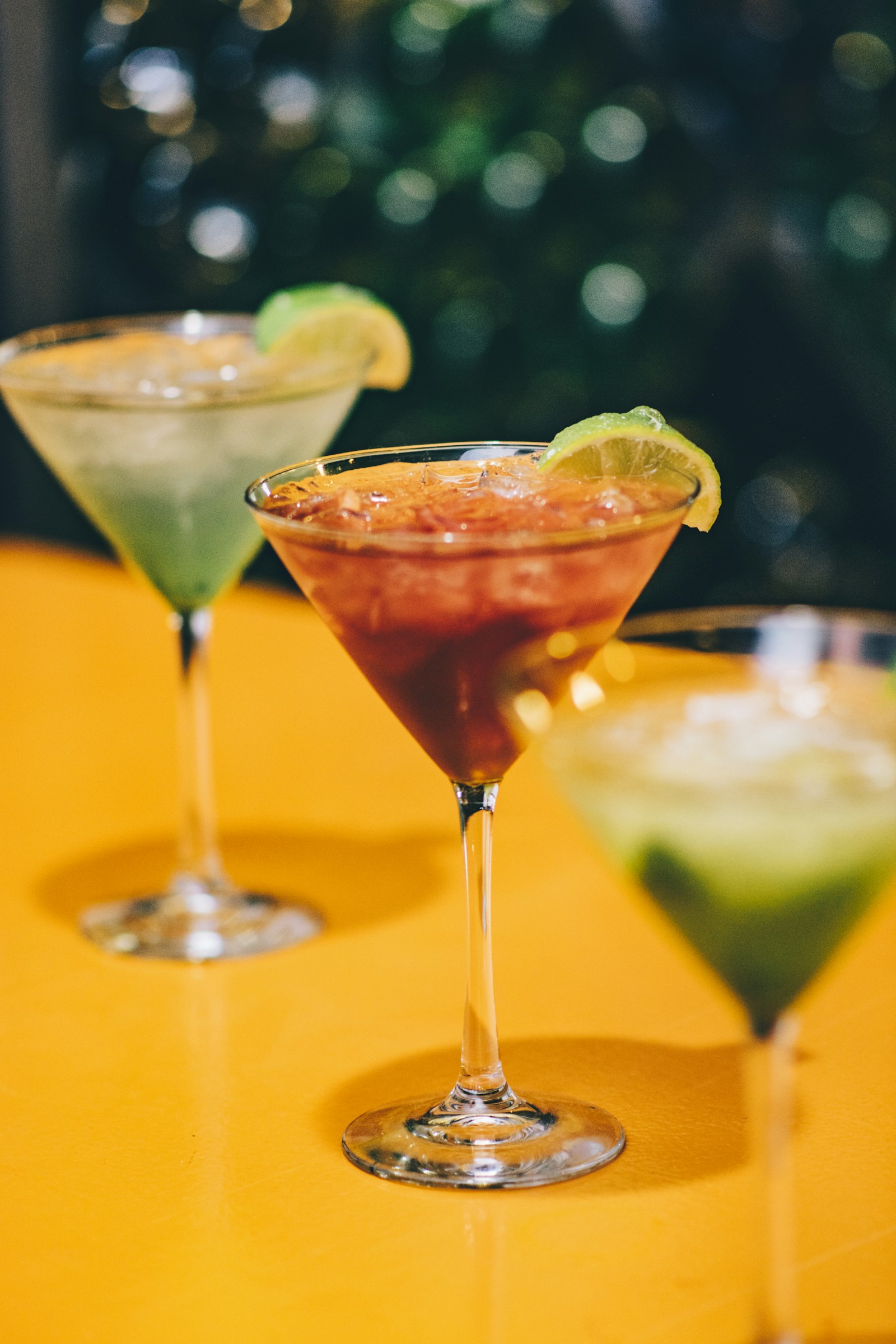
- A curated menu, not a call bar. Two signature cocktails, wine, beer, two zero-proof options. Faster service, lower cost, no shot culture, and it reads more considered than a wall of bottles.
- Cocktails that batch. Anything requiring a shake per drink halves throughput. Our corporate menu guide covers the specific builds that hold up at volume.
- Bar closes an hour before the event ends. Coffee and dessert in that last hour. This one change ends parties cleanly and gets people home safely.
- Rideshare handled visibly. A code, a sign, or a staffed table. Companies that do this have measurably fewer bad outcomes, and everyone notices.
- Real zero-proof options. Same menu board, same glass, same garnish. Nobody should have to ask what there is if they are not drinking.
On staffing: one bartender per 50 to 75 guests at a standard reception, one per 40 for short and intense formats. Corporate parties are denser than weddings — no ceremony, no seated dinner, no dancing to spread demand out. Everyone arrives in a twenty-minute window and goes straight to the bar.
Entertainment, and how much you actually need
The ranking that holds up across the corporate events we work: a DJ or curated playlist at a volume that permits conversation is the default and it is enough for most companies. Live music works for seated dinners and for companies where the party is a genuine reward rather than an obligation. Photo activations get used heavily in the first hour and ignored after. Awards and speeches should be short, early and before the bar has been open for two hours.
The single most reliable upgrade is not entertainment at all. It is ending on time. A party with a clear, respected end time is remembered as good; one that trails off with a handful of people at midnight is remembered differently.
Paperwork, since somebody has to do it
Corporate events come with an approvals process, and vendors who cannot handle it slow everything down. Ours is standard: proper invoicing with net terms where required, a W-9 on request, and a certificate of insurance naming your company or venue as additional insured — $2 million in general liability including liquor liability, issued at no charge. Every bartender holds California RBS certification, which venues increasingly ask to see.
One planning note specific to bar service. Because we run a dry-hire model, the company buys the alcohol and we provide everything else, so nobody is selling drinks at your event. That structure is simpler for procurement and it keeps the alcohol at retail cost rather than at venue markup.
The December-specific advice
Three things that only matter in December. Book bar service before Halloween — our December weekends fill earlier than any other month of the year, and the first two Saturdays go first. Expect a higher no-show rate, typically 10 to 15 percent, because December is the month everyone is triple-booked; order alcohol against your confirmed count rather than your invited count. And put one warm drink on the menu, even in Southern California, because a hot spiced option from a dispenser is the drink people photograph and the one that makes an outdoor terrace usable after 7 p.m. The holiday cocktail guide has the builds.
Send us your date, headcount and venue and we will come back with a corporate quote, an invoice and the insurance certificate your venue is going to ask for — usually the same day.
Frequently asked questions
When should we book a corporate holiday party for 2027?
Venues for the first three weekends of December should be booked nine to twelve months ahead, which means the work starts in January or February. Bar service, catering and entertainment should be locked six months out. By October the good Saturday dates in December are gone across Los Angeles, Orange County and San Diego, and what remains is Tuesdays, Sundays and premium pricing. If you are reading this in autumn for this December, book a weeknight now rather than a Saturday later.
How much should a corporate holiday party cost per person?
As a planning range: $85 to $120 per head for a casual daytime or office-based event, $130 to $180 for a standard evening reception with catering and a bar, and $200 to $250-plus for a seated dinner at a venue with entertainment. Bar service specifically is a small share of that. Our packages run $695 for 30 to 50 guests, $1,195 for 75 to 100 and $2,395-plus for 150 or more, all-inclusive, with no mandatory gratuity and the alcohol purchased separately at cost.
How many bartenders do you need for a corporate party?
One bartender per 50 to 75 guests for a standard reception, and one per 40 if the format is a short, high-intensity event where everyone arrives at once. A corporate party is denser than a wedding: there is no ceremony, no dinner service to spread demand and no first dance, so nearly everyone arrives within a twenty-minute window and heads straight for the bar. Understaffing shows up immediately as a line that never clears.
Should a company holiday party have an open bar?
For most companies yes, with structure. The common approach is a curated menu — two signature cocktails, wine, beer and two strong zero-proof options — rather than a full call bar, which reduces cost, speeds service and avoids the shot culture that creates the problems companies worry about. Adding a drink-ticket cap, closing the bar an hour before the event ends and serving substantial food throughout are the three levers that keep it comfortable.
What do you do about employees who do not drink?
Build the non-alcoholic side as a real menu rather than an afterthought. Between designated drivers, people in recovery, pregnancy, medication, religious observance and simple preference, 20 to 30 percent of a corporate room is not drinking, and that share is higher at a work event than at a wedding. Two proper zero-proof cocktails on the same menu board, with the same glassware and garnish, is the single most-appreciated thing you can do.
Do you invoice companies and provide a W-9 and insurance certificate?
Yes. We work with corporate accounting as standard: proper invoicing with net terms where required, a W-9 on request, and a certificate of insurance naming your venue or company as additional insured, $2 million in general liability including liquor liability, at no charge. All bartenders are RBS certified as California requires.